About
Trusted Communication
for Everyday Life
Traditional headphones can create communication barriers. Important instructions, warnings, or conversations are often missed, leading to frustration, confusion, and reduced peace of mind.
Buddy Ears™ changes that.
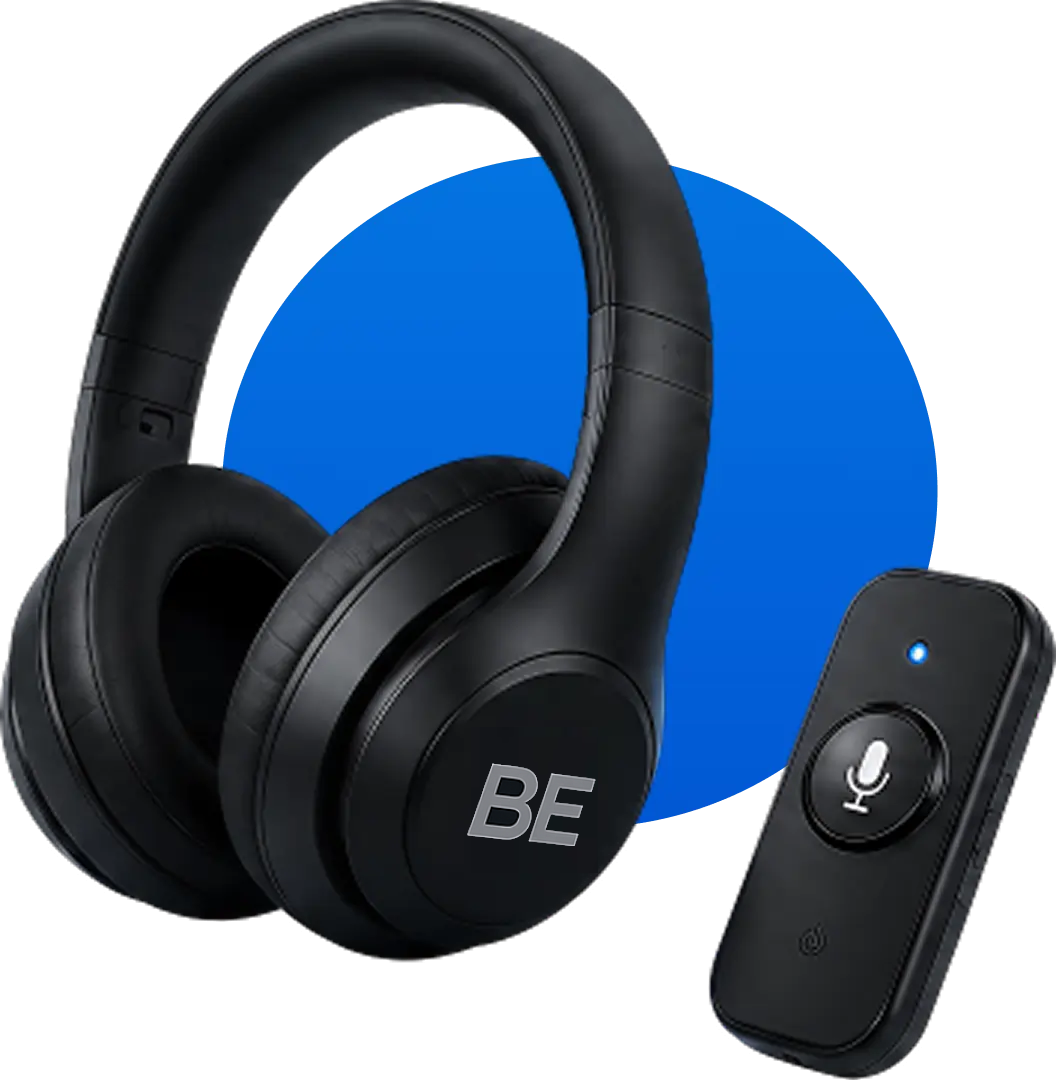
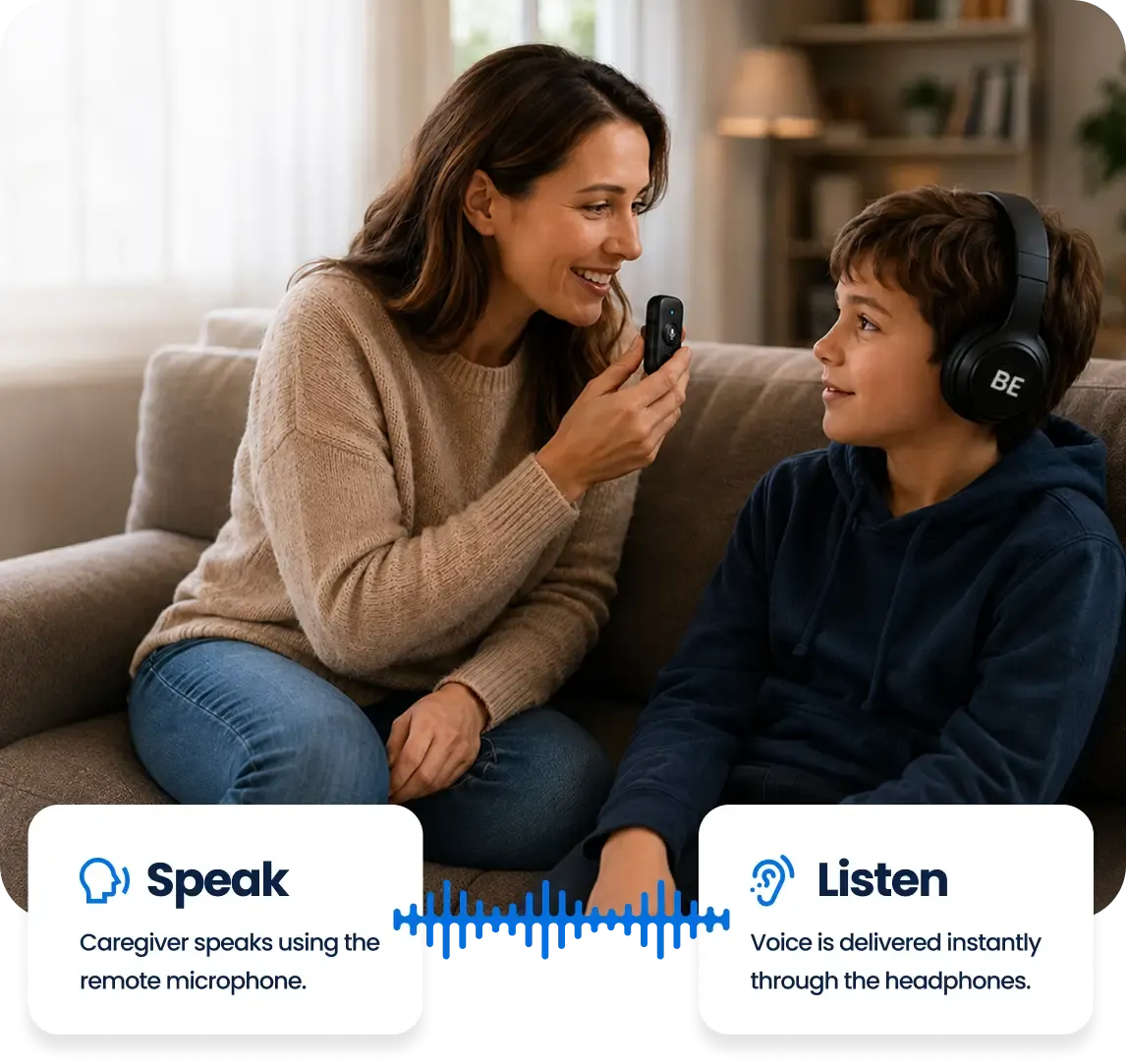
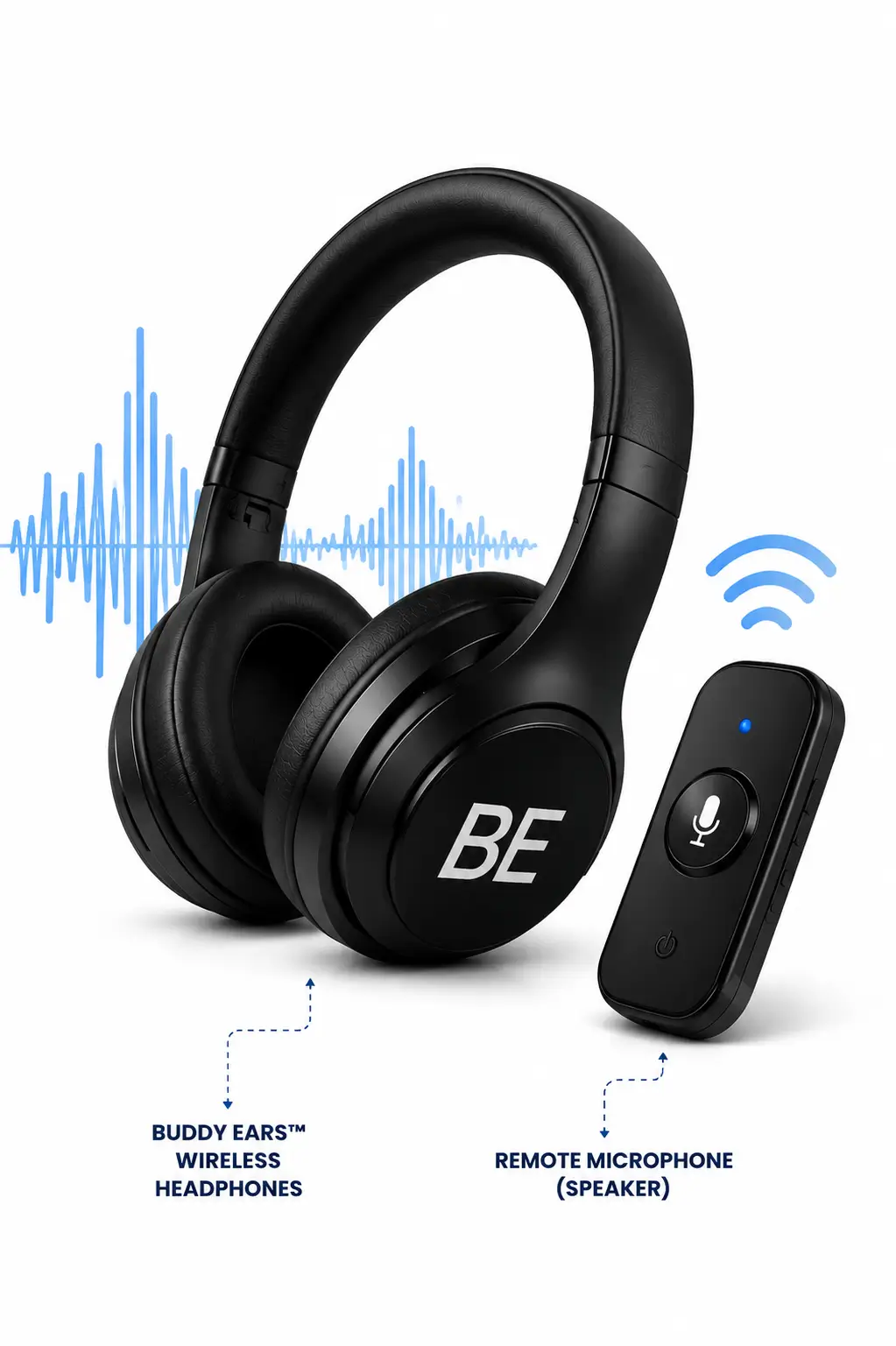
With the push of a button, a caregiver or support person can speak directly into the wearer’s headphones in real time — helping maintain awareness and connection while still allowing comfort, focus, and sensory regulation.
Our Story
Real experiences. Real challenges. Real purpose.
Founder
Chris Wilson
Buddy Ears™ didn’t start with a big company or a big budget—it started with a problem. My son got away from us in an airport while wearing his headphones, and in those frightening moments, we couldn’t communicate with him. Right then, in the middle of that panic, I realized there had to be a better way. What began as one parent’s determination to solve a real-life problem has grown through years of hard work, persistence, and countless obstacles into a patented technology with enormous potential. We’re still a small team, but we’ve never stopped believing in the vision. Buddy Ears™ was built from the ground up with one simple goal: to help people stay connected when it matters most.”
Co-Founder & CEO
Carter Wilson
When I joined Buddy Ears™, I believed in both the idea and the mission behind it. Since then, I’ve worked hard to help move the project forward—helping transition from our original FM prototype to a working Bluetooth version, finding the right technology partners, and focusing on the path toward manufacturing. It’s been an incredible journey with plenty of challenges, but seeing this concept grow into a real, functioning product has made every step worthwhile. I truly believe Buddy Ears™ has the potential to make a meaningful difference in people’s lives, and I’m proud to be part of bringing that vision to life.
Built From Real Life Need
Buddy Ears™ was inspired by the everyday challenges faced by families trying to communicate with loved ones who depend on headphones for comfort and sensory support.
This is not an idea created in a boardroom — it was built from real experiences, real frustrations, and a determination to improve everyday life.